
Designing a custom home for a large family requires a strategic approach to space management. With more members in the household, the need for both functional and comfortable living spaces becomes paramount. A thoughtfully designed home can make all the difference in promoting family harmony, comfort, and efficiency. In this comprehensive guide, we’ll walk you through expert design tips for maximizing interior space, ensuring your custom home caters to the unique needs of your large family.
Why Space Planning is Crucial for Large Families
When building a custom home for a large family, it’s not just about square footage. It’s about how the space is used. Without a proper plan, your home could easily become cramped, disorganized, and inefficient. Conversely, thoughtful space planning allows every family member to enjoy their personal space while still bringing the entire family together in shared areas.
Key Reasons Space Planning is Essential:
- Comfortable Living Areas: A well-designed layout ensures that every member of the family can enjoy their own space while also having ample room to come together in communal areas.
- Organized and Functional Rooms: With the demands of a large family, smart storage and multi-functional spaces are vital. Efficient design makes organizing and maintaining your home easier.
- Increased Home Value: A custom home that maximizes interior space doesn’t just create comfort—it’s a great investment. Smart design choices enhance both livability and resale value.
Key Considerations for Maximizing Interior Space in Custom Homes
1. Open Floor Plans for Better Flow
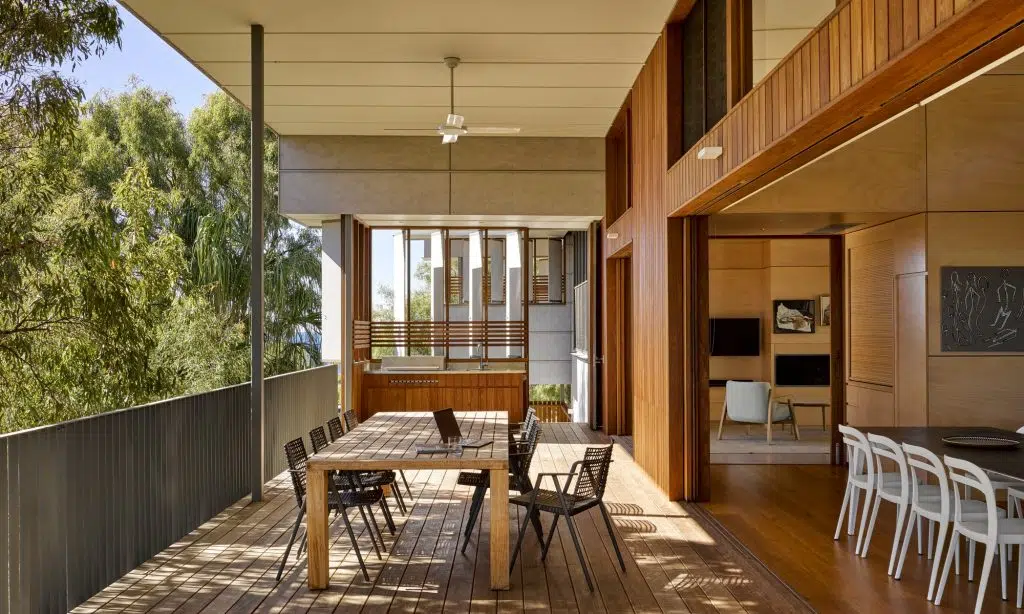
One of the most popular strategies for creating more space in a large family home is to use open floor plans. When you eliminate unnecessary walls and barriers, you create a natural flow between rooms. This layout allows for better interaction between family members and gives a sense of openness.
- Benefits of Open Floor Plans:
- Creates a more airy, spacious feel.
- Makes it easier for parents to supervise children in the living room or kitchen while preparing meals.
- Provides a flexible space that can be adapted for different family needs.

2. Strategic Room Placement for Efficiency
Efficient space usage is about more than just knocking down walls. It’s about ensuring the rooms are strategically placed to maximize convenience, privacy, and accessibility.
- Suggestions for Room Placement:
- Centralized Common Areas: The kitchen, living room, and dining areas should be placed close together to foster family interaction while keeping these busy spaces within easy reach.
- Private Bedrooms: Bedrooms should be located in quieter areas, away from the noise of the common spaces. For greater privacy, master bedrooms can be placed in a more secluded area of the home.
- Multipurpose Rooms: Create rooms that serve multiple functions, like a study that doubles as a guest room or a playroom that can convert into a home office.
3. Maximizing Vertical Space
When horizontal space is limited, look to the ceiling! High ceilings, tall shelving units, and overhead storage can significantly enhance the feeling of openness in your home.
- Ways to Use Vertical Space:
- Add tall bookshelves or cabinets to store items like books, toys, or seasonal decorations.
- Install floating shelves on walls to create storage without using floor space.
- Consider vaulted ceilings or mezzanine levels to increase the sense of height and space in key rooms.
4. Incorporating Smart Storage Solutions
Storage is a challenge for any home, but it’s particularly important in a custom home designed for a large family. To keep things organized and clutter-free, you need innovative storage solutions.
- Smart Storage Ideas:
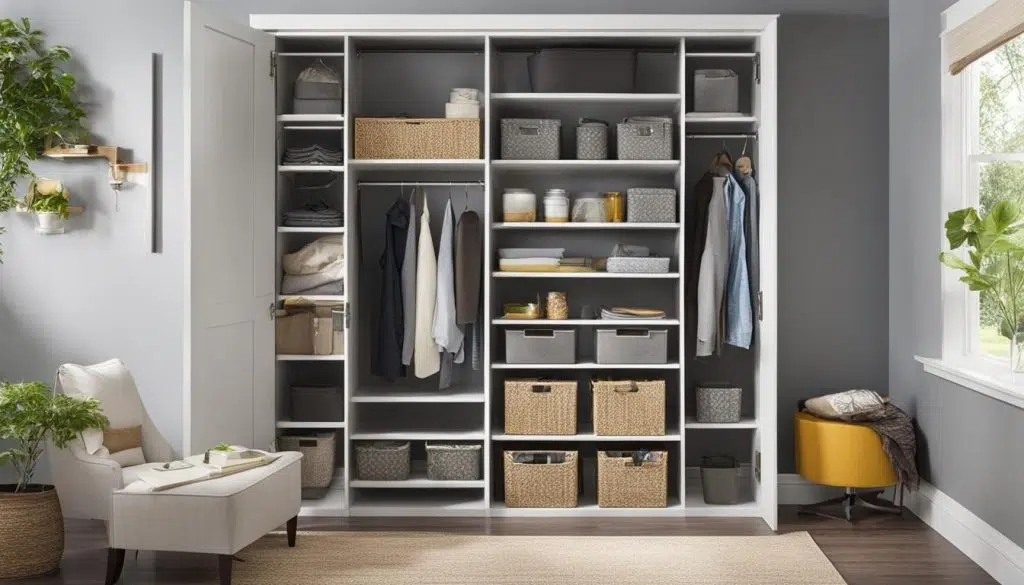
- Built-in Storage: Consider built-in closets, cabinets, and shelving to keep your home free of clutter.
- Under-stair Storage: Make use of spaces under staircases to create additional closets or storage for seasonal items.
- Mudrooms and Utility Rooms: These spaces can store outdoor clothing, shoes, and school bags, helping to keep the rest of your home neat.
5. Creating Flexible Spaces for Evolving Needs
As your family grows, so do its needs. Children grow older and require different spaces, and personal hobbies or work arrangements may evolve over time. A flexible home design ensures that your house adapts to these changes.
- Flexible Room Ideas:
- A playroom that can be easily converted into a study as children grow.
- A home office that doubles as a guest bedroom.
- Sliding partitions or folding walls that can open up or divide large rooms as needed.
6. Incorporating Natural Light and Ventilation
Natural light is a game-changer when it comes to maximizing space. Well-lit rooms not only feel more spacious but are also more pleasant and inviting. Proper ventilation ensures that air quality remains fresh, further enhancing the comfort of your home.
- Ways to Improve Lighting and Ventilation:
- Install large windows or glass doors to allow plenty of natural light in.
- Skylights can illuminate darker areas of your home like hallways or bathrooms.
- Design your home with windows and vents across from one another to encourage airflow and natural cooling.
Popular Design Features for Large Families
Design features tailored to large families help to make the most of your space while promoting family bonding and convenience.
- Kitchen Islands with Built-in Seating: These islands create a hub for family meals, homework, or casual conversation. They’re a great place to keep everyone together while preparing food.
- Mudrooms and Entryways: These spaces help keep the mess out of your main living areas, providing a place for shoes, coats, bags, and other items.
- Large Laundry Rooms: A large laundry area with multiple machines and ample counter space can make household chores easier, especially for a busy family.
How to Work with an Architect to Maximize Space
Working with an architect is essential for ensuring that your custom home meets the needs of your family, both now and in the future. A professional architect can help you navigate the complexities of space planning, recommending solutions that optimize both function and design.
- What an Architect Will Do:
- Design a floor plan that maximizes space while promoting privacy and ease of movement.
- Advise on materials and finishes that enhance the feeling of openness and light.
- Ensure your design complies with local building codes and regulations, while still catering to your personal style and preferences.
Frequently Asked Questions (FAQs)
Q: How can I make the most of a small lot when building a custom home for a large family?
A: Focus on vertical space, open floor plans, and multi-functional rooms. A two-story home can allow you to maximize space without requiring a larger lot.
Q: What are the best materials for maximizing space in a custom home?
A: Light-colored materials such as pale wood, white marble, and glass will reflect more light and make your home feel larger. Avoid heavy, dark materials that absorb light and can make a space feel cramped.
Q: How do I ensure my custom home is energy-efficient for a large family?
A: Incorporate energy-efficient insulation, high-performance windows, and energy-efficient appliances. Using sustainable materials and incorporating solar energy can also help reduce energy consumption.
Q: How do I create space for everyone without overcrowding?
A: Prioritize open layouts and create flexible, multi-use spaces. Ensure there is enough room for privacy and quiet time, while also designing shared areas where the family can gather.
Designing a custom home for a large family requires careful planning and strategic use of space. By focusing on an open floor plan, incorporating flexible spaces, and using smart storage solutions, you can create a home that is not only functional but also inviting and comfortable for every member of your family. With the help of an experienced architect, you can turn your vision into a reality, ensuring that your home accommodates your family’s evolving needs for years to come.