
Building a custom home is one of the most exciting and rewarding ventures you can undertake. However, selecting the right materials for your dream home can be overwhelming. The materials you choose not only affect the aesthetics but also the durability, energy efficiency, and overall cost of your home. As an architect with years of experience in custom home building, I will guide you through the process of choosing the best materials for your project.
The Importance of Material Selection in Custom Homes
When building a custom home, material selection is crucial for several reasons:
- Durability and Longevity: Materials will impact the lifespan of your home. Choosing the right ones ensures your home lasts for decades without major repairs.
- Energy Efficiency: Certain materials contribute significantly to the energy efficiency of your home, reducing utility bills in the long run.
- Aesthetic Appeal: Materials are the backbone of your home’s design, contributing to its overall look and feel. The right choices can enhance the visual appeal of both the interior and exterior.
- Budget Considerations: Building materials can make or break your budget. Some materials are more cost-effective than others, but might come with trade-offs in quality.
Key Factors to Consider When Choosing Building Materials
1. Climate and Weather Conditions
The climate of your region plays a significant role in the materials you should choose. For instance, if you live in an area with extreme weather conditions (high humidity, heavy snow, or high temperatures), you’ll need materials that can withstand these elements. For example:
- Wood is suitable for temperate climates but may not perform well in high-humidity areas unless properly treated.
- Concrete and steel are excellent for harsh climates as they provide durability and resistance against the elements.
2. Energy Efficiency and Sustainability
Sustainability is an increasingly important factor in construction. More homeowners are opting for eco-friendly materials that reduce energy consumption and are better for the environment. Some of the most energy-efficient and sustainable materials include:
- Insulated Concrete Forms (ICFs): These provide excellent thermal insulation, helping to keep your home cool in the summer and warm in the winter.
- Reclaimed Wood: Using reclaimed wood is an eco-friendly option that adds character and charm to your home.
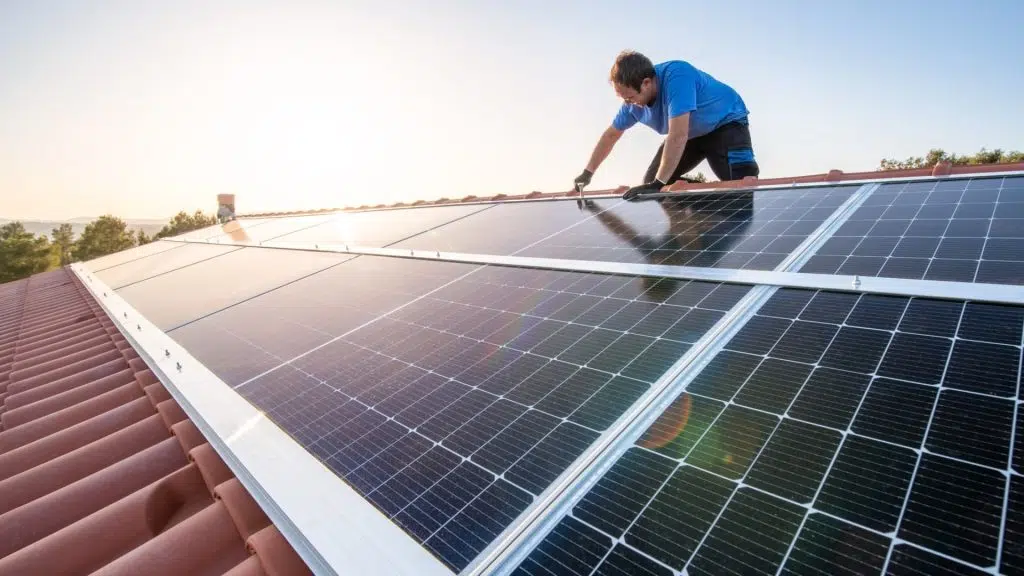
- Solar Panels: Though not a material for walls or floors, integrating solar panels with the roof can significantly reduce energy costs and enhance sustainability.
3. Cost-Effectiveness
While it’s tempting to choose luxurious materials for every part of your home, it’s important to balance cost and quality. Some materials, such as engineered wood, are affordable alternatives to hardwood and still offer a beautiful finish. However, when budgeting, consider not just the initial cost, but the long-term savings in terms of maintenance and energy efficiency.
4. Aesthetic Appeal and Design
The look and feel of your home are directly influenced by the materials you choose. Whether you’re going for a modern or traditional design, the materials must align with your vision. Here are a few popular options:
- Marble and Granite: Known for their beauty and durability, they are often used for countertops and flooring in high-end homes.
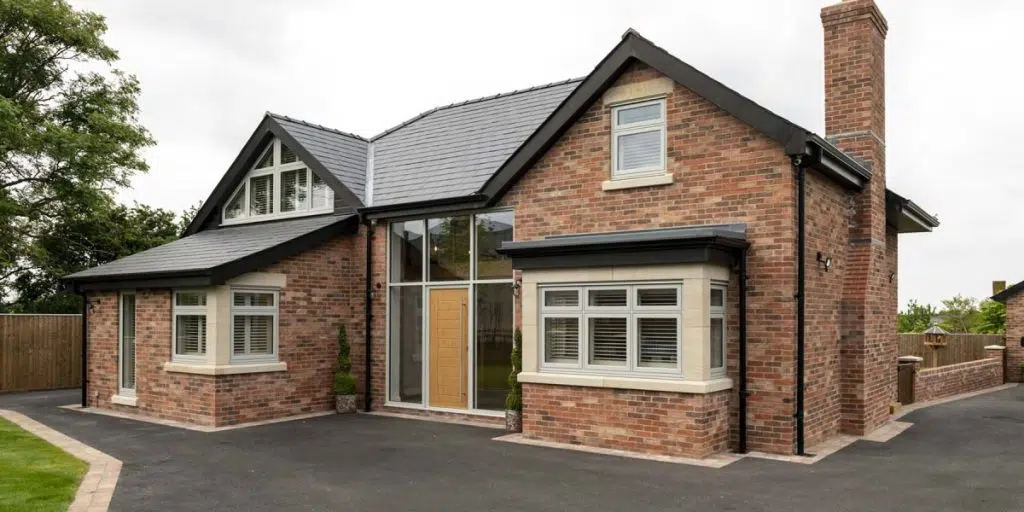
- Brick and Stone: These materials offer timeless beauty and are highly durable, making them perfect for exterior facades.
- Glass: For a modern, open feel, incorporating glass into your design can create an elegant and spacious atmosphere.
5. Maintenance and Longevity
Some materials require more maintenance than others. For example, wood flooring, while beautiful, may require periodic refinishing. On the other hand, tile and stone surfaces are more durable and easier to maintain over time. Be sure to choose materials that fit your lifestyle and willingness to maintain them.
Types of Building Materials to Consider for Your Custom Home
Now that we’ve discussed key factors to consider, let’s dive into some of the most commonly used materials in custom home construction:
1. Concrete
Concrete is one of the most durable building materials available. It is commonly used for foundations, floors, and even walls in certain designs. Concrete’s durability and low maintenance make it an ideal choice for areas with high moisture or extreme temperatures.
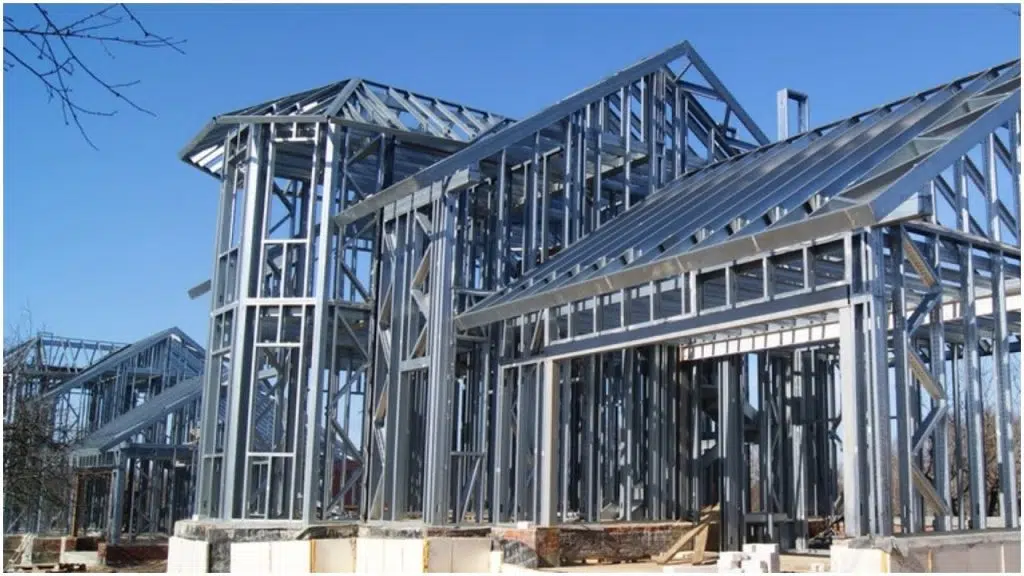
2. Steel
Steel is another strong and durable material, often used for framing. It provides strength without adding significant weight to the structure. Steel is also fire-resistant, which makes it an excellent choice for safety-conscious homeowners.
3. Wood
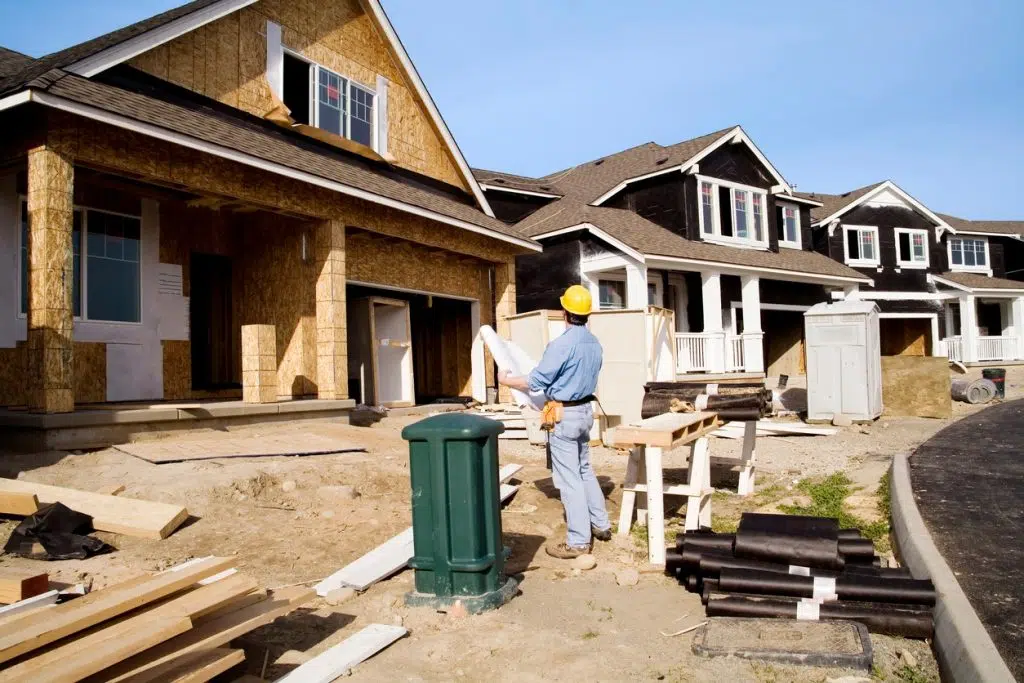
Wood is a classic building material that offers warmth and natural beauty. It is used for framing, flooring, and cabinetry. However, wood is susceptible to damage from termites, moisture, and fire, so it’s important to treat it properly and choose the right type of wood for your climate.
4. Brick and Stone
Brick and stone provide a timeless, durable exterior finish. They are perfect for those looking for a traditional or rustic aesthetic. Both materials are low-maintenance and provide excellent insulation, which can reduce energy costs.
5. Glass
Glass is often used in windows and doors to allow natural light to flow into the home. It can also be used in walls and floors for a modern, sleek design. Glass adds elegance and an airy feeling to the interior, but it can be costly and requires regular cleaning.
How to Ensure Quality Construction Materials for Your Custom Home
The key to successful material selection is to work with a trusted custom home builder or architect who understands the nuances of construction materials. A professional will help you make the right choices based on your design goals, climate, budget, and sustainability preferences.
Frequently Asked Questions (FAQs)
Q: How can I reduce the overall cost of materials for my custom home?
A: Consider using a mix of high-end and affordable materials. For example, use engineered wood or laminate flooring instead of hardwood, or opt for affordable stone veneers for exterior finishes.
Q: What is the most energy-efficient material for walls?
A: Insulated Concrete Forms (ICFs) are an excellent choice for energy-efficient walls as they provide superior insulation, helping to reduce energy consumption.
Q: Should I choose materials that require a lot of maintenance?
A: It depends on your lifestyle and preferences. If you prefer low-maintenance options, materials like stone, tile, and steel may be a better fit.
Q: Can I use recycled materials for my custom home?
A: Absolutely! Recycled materials, such as reclaimed wood, recycled glass, and repurposed metal, are not only sustainable but can add unique charm and character to your home.
Conclusion
Choosing the right materials for your custom home is one of the most important decisions you’ll make during the building process. By considering factors like climate, energy efficiency, cost, aesthetics, and maintenance, you can make informed decisions that will ensure your home is both beautiful and functional. Always work closely with an experienced architect or builder to guide you through the selection process and create the home of your dreams.