
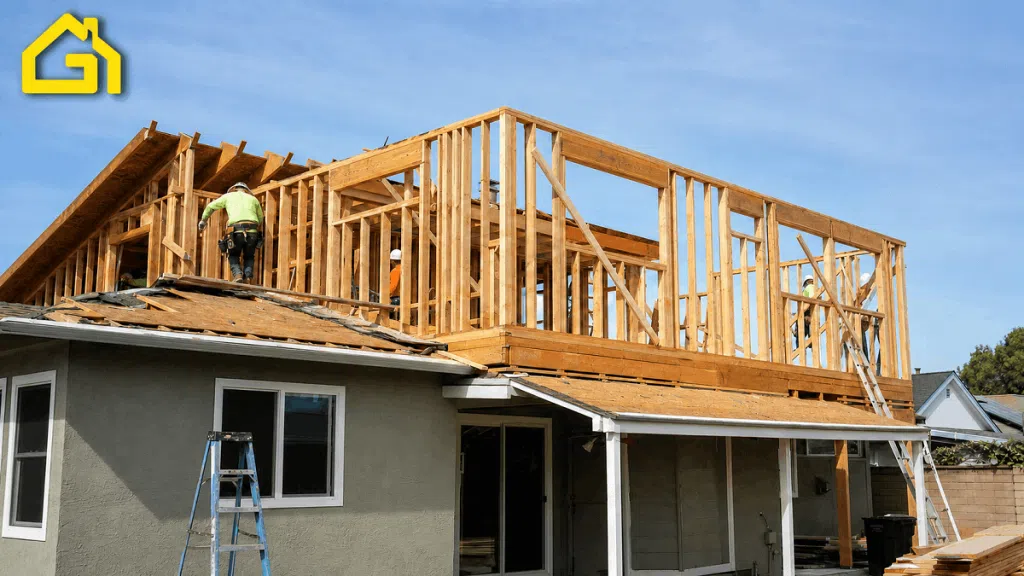
Adding a second story is one of the most popular ways for Cupertino homeowners to create more living space without giving up yard area or leaving a neighborhood they already love. A second story addition in Cupertino CA is rarely just “adding rooms on top of the house.” It touches design, structural engineering, permitting, and construction sequencing, and each of these pieces shapes how the finished home looks, feels, and functions day to day.
In this guide, we will walk through what a second story addition in Cupertino typically involves, the factors that shape the scope of a project, and when building up makes more sense than building out or starting fresh with a new custom home.
What a Second Story Addition Involves
A second story addition in Cupertino CA generally moves through several stages: design and planning, a structural evaluation of the existing home, roof removal, new framing for the added level, exterior work to tie the new floor into the original house, and finally, interior systems and finishes. Permits and inspections run alongside most of these stages rather than happening only at the start or end.
Because the new floor sits directly on top of an existing structure, the project is guided as much by what the current home can support as by what the homeowner wants to build. This is part of what makes second-story work different from a single-story remodel or a ground-floor addition.
Why Second-Story Additions in Cupertino Are More Involved Than in Many Other Areas
Second story additions in Cupertino tend to require more planning and coordination than similar projects in many other parts of the country. A few local realities explain why.
1. High Demand for Skilled Trades
Silicon Valley’s construction market is competitive. Experienced framers, electricians, plumbers, engineers, and project managers are in strong demand across the Bay Area, which means scheduling and sequencing skilled trades takes careful coordination.
2. Strict Building Standards and Permitting Requirements
Second story additions must meet current California building codes, energy requirements, seismic standards, and City of Cupertino review requirements. This adds design work, engineering review, and inspection steps that a simpler project would not need.
3. Older Home Conditions
Many Cupertino homes were originally built decades ago as single-story properties. Before a second floor can be added, the foundation, shear walls, framing, electrical panel, plumbing, or HVAC system may need to be brought up to current standards.
4. Limited Lot Space and Tight Access
Cupertino neighborhoods often have established lots, mature landscaping, narrow side yards, and limited staging space. These site conditions can make demolition, material delivery, and construction logistics more involved than on a newer or more open lot.
5. Higher Expectations for Design and Finishes
Homeowners in Cupertino usually want the new second story to blend seamlessly with the existing home while improving comfort, curb appeal, and long-term livability. That typically calls for closer design coordination between the architect, engineer, and builder.
Second-Story Addition Scope, by Project Size
The scale of a second-story addition is one of the clearest indicators of how involved the project will be, though square footage alone does not tell the whole story. A smaller addition with a bathroom and structural upgrades can sometimes involve more coordination than a larger, simpler bedroom expansion.
Small Second-Story Additions
A small second story addition in Cupertino usually adds one main living area, such as a bedroom, home office, guest room, or a compact bedroom and bathroom combination. Even when the added square footage is modest, the project still requires major construction steps: roof removal, new framing, structural engineering, stairs, exterior matching, electrical updates, insulation, drywall, and finish work. If a bathroom is part of the plan, plumbing, waterproofing, ventilation, and fixtures add to the scope.
Small second-floor additions often make sense when a homeowner needs a specific function, such as a private office or an extra bedroom, without redesigning the entire home.
Mid-Size Second-Story Additions
Mid-size projects are common for homeowners who want a more meaningful expansion without turning the home into a full two-story rebuild. These additions may include a new primary suite, two bedrooms, a shared bathroom, a laundry area, or a mix of sleeping and flexible living space.
The scope of a mid-size project depends on several details, including:
- Whether the new level includes one or more bathrooms
- How the staircase fits into the existing first-floor layout
- Whether the foundation and walls need reinforcement
- How much of the roofline and exterior must be rebuilt
- The quality of windows, flooring, tile, cabinetry, and fixtures
- Whether HVAC, plumbing, or electrical systems need upgrades
A mid-size second story addition is often the point where planning becomes especially important. The new floor needs to feel natural, not like space that was simply placed on top of the original home. Good design improves flow, privacy, natural light, and long-term livability.
Large or Full Second-Story Additions
A large or full second story addition can turn a single-story Cupertino home into a much larger two-story residence, often adding multiple bedrooms, bathrooms, a primary suite, storage, or flexible family space. Because a project at this scale affects the roof, foundation, framing, utilities, and overall layout, it should be planned carefully and, in some cases, compared against a whole-home remodel or a teardown and rebuild to make sure it is the right long-term direction.
What’s Included in a Second-Story Addition Project
A second story addition covers far more than framing new rooms above the existing home. In Cupertino, the scope typically includes design, engineering, demolition, structural upgrades, exterior work, building systems, interior finishes, permits, and inspections.
Design and Planning
Before construction begins, the project needs a clear design plan: architectural drawings, layout planning, engineering coordination, material selections, and early scope decisions. For a second story addition in Cupertino, design is especially important because the new floor must connect properly with the existing structure, staircase location, roofline, exterior style, and first-floor layout. Planning may also include site measurements, zoning review, and feasibility discussions about whether the home can support the added level.
Structural Work
Structural work is one of the most important parts of a second-floor addition. The existing home must be evaluated to determine whether the foundation, walls, beams, and framing can carry the new load. Common structural items include:
- Foundation evaluation and possible reinforcement
- New beams, posts, headers, or shear walls
- Floor framing for the new second level
- Seismic upgrades required by current California building codes
- Engineering calculations and structural details
- Stair opening and related framing changes
This is one area where homeowners should not cut corners. A second story changes how weight moves through the home, so proper engineering and construction are essential for safety, durability, and code compliance.
Roofing and Exterior Work
Adding a second story usually requires removing part or all of the existing roof. Once the new level is framed, the home needs a new roof structure, exterior walls, windows, siding or stucco, trim, waterproofing, and paint.
| Exterior Work Item | What It Typically Covers |
|---|---|
| Roof removal | Demolition of the existing roof where the new level will be built |
| New roofing | Framing, sheathing, underlayment, roofing material, and flashing |
| Exterior walls | Siding, stucco, weather barriers, trim, and paint |
| Windows and doors | New upstairs windows, possible exterior doors, and waterproofing details |
| Exterior matching | Blending the addition with the existing home’s style |
Plumbing, Electrical, and HVAC
If the new floor includes bathrooms, laundry, or expanded living space, plumbing, electrical, and HVAC systems usually need to be extended or upgraded. In some homes, panel capacity or HVAC capacity may also need to be increased to serve the added square footage.
Interior Finishes
- Drywall and insulation: completes the walls and ceilings and supports comfort and energy performance in the new space
- Flooring: choices range from carpet to hardwood, engineered wood, tile, or luxury vinyl
- Paint, doors, and trim: help the new second story match the rest of the home
- Lighting and fixtures: recessed lights, decorative fixtures, switches, and outlets
- Closets and built-ins: from standard closets to custom storage or built-in cabinetry
- Bathroom finishes: tile, vanities, countertops, mirrors, and shower systems
Permits and Inspections
A second story addition in Cupertino requires city approval, permits, and inspections, which typically include plan review, building permits, trade permits, and inspection fees. Inspections usually happen at key stages, such as framing, plumbing, electrical, insulation, and final completion. Proper permits matter beyond construction, too. They can affect insurance, resale, appraisal, and buyer confidence later on.
Key Factors That Shape a Second-Story Addition in Cupertino
No two second-story additions look exactly alike. In Cupertino, the scope of a project depends on how the new space connects to the existing home, what structural upgrades are needed, how complex the design is, and how smoothly the project moves through permitting and construction.
Beyond the details in a builder’s plan, a second-story addition almost always comes with factors that catch homeowners off guard mid-project if they were not part of the early planning conversation.
Existing Home Structure
The condition and layout of the existing home have a major impact on scope. A house with a simple shape, strong framing, and a layout that can easily accommodate stairs is usually less complicated to expand upward. Older homes or homes with unusual layouts may need more preparation before the second story can be added, including wall reinforcement, framing changes, roof modifications, or updates to older systems.
Foundation Strength
Before a second story is added, the foundation must be evaluated to confirm it can support the extra load. If the existing foundation is not strong enough, reinforcement may be required. This can include structural inspection and engineering review, footing or foundation reinforcement, new support posts or beams, seismic upgrades, and repairs to existing foundation issues. In California, this step matters for long-term safety as much as for the project timeline.
Size and Layout Complexity
Square footage affects the scope of a project, but layout complexity can matter just as much. A larger but simple second-floor layout may be more straightforward to build than a smaller addition with multiple bathrooms, custom rooflines, and complicated structural changes.
| Factor | Simpler Scenario | More Involved Scenario |
|---|---|---|
| Layout | Simple bedroom layout | Multiple rooms with complex circulation |
| Bathrooms | No bathroom or one simple bath | Multiple bathrooms or a luxury bath |
| Roofline | Simple roof shape | Custom or complicated roof design |
| Stairs | Easy location | Major first-floor layout changes |
| Utilities | Minimal extensions | Major plumbing, electrical, or HVAC work |
Finish Level and Material Selection
Finish choices can shift the scope and timeline of the project considerably. Standard flooring, basic tile, simple lighting, and stock fixtures keep the project more straightforward. Premium hardwood, custom cabinetry, designer tile, high-end windows, and custom bathroom fixtures add coordination and lead time. The best approach is usually to decide where higher-end materials matter most and where standard options are enough, investing more in a primary bathroom, for instance, while keeping secondary bedrooms simple.
Permit and Local Building Requirements
A second story addition in Cupertino must comply with local zoning rules, California building codes, energy requirements, and seismic standards. Cupertino’s building permit process alone can add weeks or months to a timeline, and for hillside properties, the requirements go even deeper than most homeowners anticipate. Local requirements may affect building height and setbacks, floor area limits, structural and seismic design, energy efficiency standards, window placement and privacy considerations, and plan review and inspection timelines. A builder familiar with Cupertino and Santa Clara County requirements can help identify these issues early, which can reduce delays and redesign work.
Access and Construction Conditions
Site conditions also influence how a project unfolds. Some Cupertino homes have narrow side yards, limited driveway space, mature landscaping, or tight neighborhood streets, all of which can make demolition, material delivery, staging, and equipment access more difficult. When access is limited, crews may need more time to move materials, protect existing areas, or work in smaller phases. If the family stays in the home during part of the project, additional planning may also be needed for safety, dust control, temporary barriers, and utility interruptions.
Second-Story Addition vs Ground-Floor Addition vs New Custom Home
Before adding a second story, it helps to compare it with two other common options: building out on the ground floor, or building a new custom home. In Cupertino, where lot sizes and zoning limits strongly shape the decision, the best choice depends on your home’s condition, your available land, and your long-term plans.
When a Second-Story Addition Makes Sense
A second story addition is often the right choice when you need more living space but want to preserve your yard, outdoor areas, or existing footprint. This is especially useful in Cupertino neighborhoods where lot space is limited or where expanding outward would reduce valuable outdoor living area. It may be a good fit if your existing home has a layout that can support a practical staircase location, the foundation and framing can be reasonably upgraded, you want bedrooms, a primary suite, or office space upstairs, your lot does not have enough room for a large ground-floor addition, or you want to stay in the same neighborhood rather than move to a larger home. The main tradeoff is complexity: building up usually involves more structural work than a simple ground-floor addition.
When a Ground-Floor Addition Makes More Sense
A ground-floor addition can be a better option when the lot has enough space and the homeowner wants easier access without stairs. It is often used for expanding kitchens, family rooms, guest suites, or aging-in-place layouts.
| Option | Usually Better For | Main Tradeoff |
|---|---|---|
| Second-story addition | Bedrooms, offices, preserving yard space | More structural complexity |
| Ground-floor addition | Kitchens, family rooms, accessible suites | Requires available lot space |
| New custom home | Full layout control and long-term flexibility | Largest overall undertaking |
When a New Custom Home May Be the Better Long-Term Choice
A new custom home may make more sense when the existing house has major structural problems, an inefficient layout, outdated systems, or too many limitations to justify a large addition. If the project would require extensive foundation upgrades, full roof reconstruction, major first-floor remodeling, and complete system updates, the scope of the work can start to approach that of a full rebuild. For some Cupertino homeowners, rebuilding offers a cleaner path, allowing the entire home to be designed around current lifestyle needs, building codes, and energy efficiency from the ground up. This option is usually worth considering when the existing home needs major repairs or modernization, the desired layout is difficult to achieve through remodeling, the addition would require extensive structural changes, or the homeowner wants a fully custom design rather than working around old constraints.
A second story addition can be a strong choice, but it is not always the most efficient path. A local builder can help compare the real scope and long-term fit of each option before you commit.
Is Adding a Second Story Worth It in Cupertino?
For many Cupertino homeowners, adding a second story is worth it because it creates valuable living space without giving up yard area. The value depends on your home’s structure, the design quality of the finished project, and your long-term goals.
Property Values in Cupertino
Cupertino has strong, well-established property values, so adding functional square footage can improve a home’s appeal. Extra bedrooms, bathrooms, a primary suite, or a home office can make a property more attractive, especially when the addition blends well with the original home.
Lot Constraints and Space Efficiency
Many Cupertino lots have limited room for ground-floor expansion because of setbacks, yard size, or layout restrictions. A second story addition helps homeowners gain space while keeping outdoor areas intact, which is often the smartest option when the lot is tight but the family needs more usable living space.
Lifestyle Benefits
A second story can make daily life more comfortable by adding privacy, better room separation, and space for changing needs. Homeowners often use the new level for bedrooms, a primary suite, an office, or guest space, which can help families stay in the same neighborhood without needing to move.
Long-Term Value
A well-planned second story addition can support long-term value in Cupertino, especially when it adds practical spaces buyers want. Good design, quality construction, and features with broad appeal all support that outcome. If the project becomes too complex, it may be worth comparing it against a major remodel or a new custom home.
How to Plan a Smooth Second-Story Addition
A second story addition is a major undertaking, but careful planning can help the project stay efficient, buildable, and aligned with your priorities from start to finish.
Keep the Layout Efficient
A simple, efficient layout is usually easier to build than a complex one. Stacking bathrooms above existing plumbing areas, keeping walls aligned where possible, and avoiding unnecessary angles or custom shapes can reduce labor and simplify construction. An efficient floor plan can still feel spacious and high-end. The key is using square footage wisely instead of adding complexity that does not improve daily use.
Finalize Decisions Before Construction Begins
Changes made during construction are usually more disruptive than decisions made during design. Moving walls, changing windows, upgrading finishes late, or revising plumbing locations can affect labor, materials, permits, and the schedule. To avoid delays, finalize major decisions before construction begins, including room layout, bathroom locations, window sizes, flooring and tile, and lighting and fixtures. Clear planning helps the project move smoothly from start to finish.
Choose Materials Strategically
Material choices shape both the look and the timeline of the finished space. You do not need the most premium option in every category to get a beautiful result. A smart approach is to prioritize high-impact areas, such as windows, waterproofing, insulation, and key bathroom finishes, while choosing more straightforward options for items that are easier to update later.
Plan Around Structural Realities Early
The existing home will strongly influence what is possible. Foundation strength, wall framing, roof structure, and seismic requirements can all affect the design. Getting structural input early can prevent unrealistic designs and costly redesigns later. In some cases, adjusting the size or location of the addition can reduce the amount of reinforcement needed.
Work With an Experienced Local Builder
Working with an experienced local builder can help avoid costly mistakes during a second-story addition. A builder familiar with Cupertino can help by understanding local permitting requirements and inspection processes, evaluating structural challenges before construction begins, coordinating framing, roofing, plumbing, electrical, and HVAC work, identifying risks early in the planning stage, suggesting practical design alternatives, managing construction around the existing home, and keeping the project organized from planning through final inspection. For a project as involved as a second story addition, local experience makes the process smoother and more predictable.
When Should You Consider a Teardown and Rebuild Instead?
A second-story addition is not always the most practical choice. In some cases, the amount of structural work, remodeling, and system upgrades needed can push a project close to the scope of building a new custom home. When that happens, a teardown and rebuild may offer better long-term value.
Major Structural Limitations
Structural work is one of the biggest factors in a second-story addition. If the home was not built to support another level, the project may require major reinforcement before the new space can be added, including a weak or undersized foundation, framing that cannot support added loads, major seismic upgrades, roof and wall reconstruction, and extensive engineering requirements. If too much of the project ends up going toward making the old structure work, rebuilding may become the more practical option.
Severe Layout Restrictions
Some homes are simply difficult to expand upward. A second story addition needs a logical staircase location, good room flow, proper ceiling heights, and practical connections to the first floor.
| Layout Issue | How It Can Affect the Project |
|---|---|
| Poor staircase location | May require major first-floor changes |
| Awkward room flow | Can increase design and remodeling work |
| Plumbing far from new bathrooms | Adds labor and complexity |
| Low or uneven rooflines | May require more demolition and reframing |
Extensive Existing Home Issues
A second-story addition often exposes problems in the original house. Older Cupertino homes may need upgrades to electrical, plumbing, insulation, HVAC, roofing, or windows as part of the project, which can turn one addition into a much larger remodel. If the first floor also needs major modernization, the difference between adding on and rebuilding may become much smaller than it first appears.
When Rebuilding Creates Better Long-Term Value
A teardown and rebuild may be the better choice when a second story addition starts to approach the scope of a new custom home. Rebuilding gives you more control over the entire design, structure, energy performance, and long-term functionality. It may make more sense when the existing home needs repairs throughout, the addition would require major structural reinforcement, the layout cannot be improved without heavy remodeling, or you want a fully modern home with fewer compromises.
For some Cupertino homeowners, a second-story addition is the right investment of time and effort. For others, a teardown and rebuild creates better value because the work goes toward a fully new home instead of correcting the limitations of an older one.
Conclusion
A second story addition in Cupertino CA can be a smart way to add valuable living space, improve daily comfort, and make better use of a limited lot, but the right approach depends on your home’s structure, project size, design complexity, and permitting requirements. Before moving forward, it is worth comparing building up with other options, such as a ground-floor addition or a teardown and rebuild, especially if your existing home needs major upgrades. If you are considering a second story addition in Cupertino CA, our team can help you evaluate your options, plan the project realistically, and build a home that fits your lifestyle and long-term goals.
Our Service Areas
At Golden Gate Group, we proudly serve clients across the Bay Area, including cities like Cupertino, Palo Alto, Mountain View, Sunnyvale, and beyond. Our expert team is ready to assist with all your custom home building needs, whether you’re starting from scratch with a new build or renovating an existing property. Our dedication to superior craftsmanship and outstanding customer service makes us the go-to choice for luxury homes. Reach out to us today to discover how we can turn your dream home into a reality.